
How Custom Outdoor Structures Can Improve the Beauty and Functionality of a Backyard

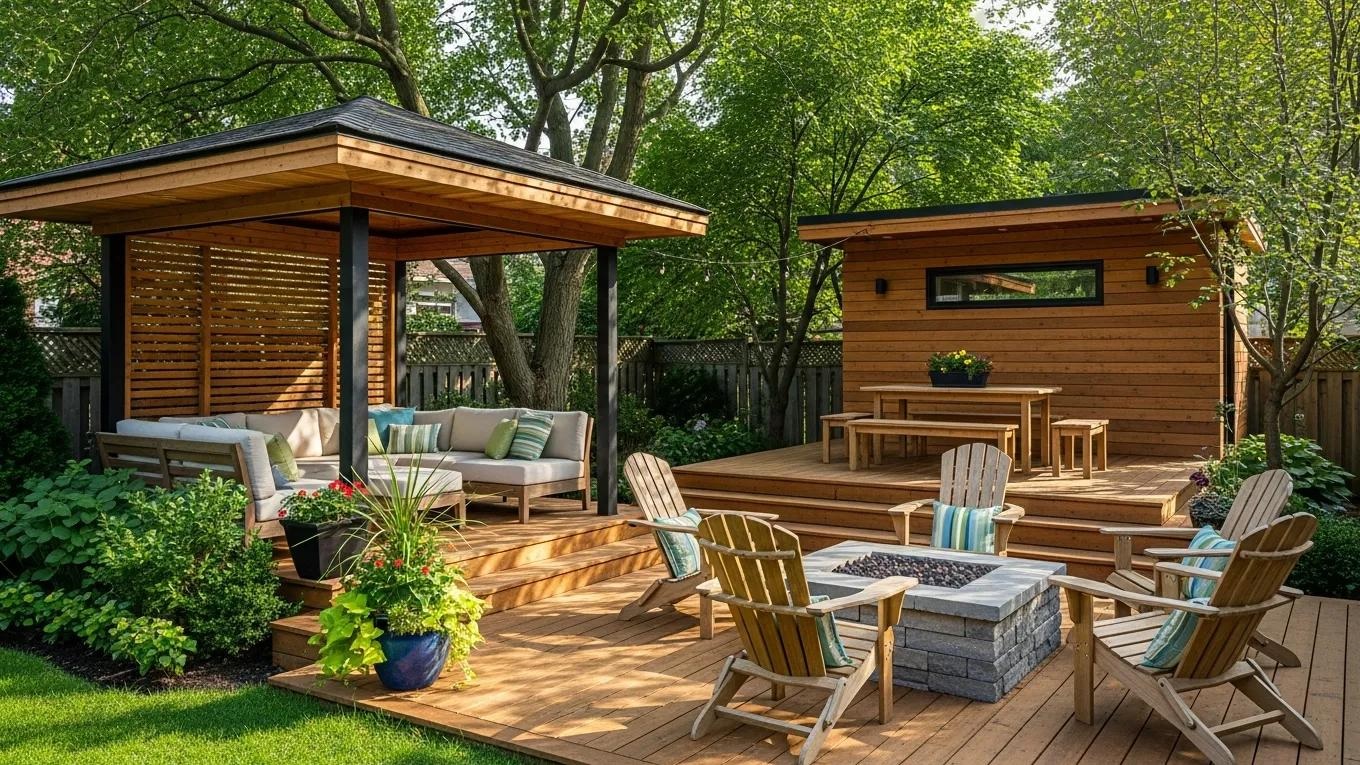
A well-designed backyard can offer much more than an attractive view from the windows. It can become a comfortable place for family gatherings, outdoor dining, relaxation, and recreational activities. Custom structures such as pergolas, gazebos, covered patios, and garden shelters provide practical ways to make outdoor environments more useful. Homeowners searching for an outdoor structure builder near me should consider how the proposed structure will complement the property’s layout, architectural style, and existing outdoor features.
Understanding the Purpose of an Outdoor Structure
Every outdoor structure should serve a clear purpose. Before selecting a design, homeowners should consider how they intend to use the available space and which features would make everyday activities more comfortable.
A pergola can provide partial shade over a patio, while a gazebo creates a more defined sheltered area for relaxation or entertaining. Covered seating spaces can also make outdoor areas more versatile by providing a designated location for furniture and social gatherings.
For families who regularly invite guests, an outdoor dining shelter may be a practical addition. Homeowners who prefer quieter surroundings might find a small garden pavilion more suitable.
Understanding the intended use of the structure makes it easier to select the appropriate dimensions, materials, and location.
Exploring Different Outdoor Structure Designs
There are several options available for residential outdoor environments, and each offers different advantages.
Pergolas: These structures use an open framework to create a defined outdoor area. They can support climbing plants, shade elements, and decorative lighting. Pergolas are particularly useful for creating visually attractive seating areas without completely enclosing the space.
Gazebos: A gazebo generally provides a more enclosed sheltered environment. It can be positioned within a garden or near a patio to create a separate relaxation area. Depending on the design, it may include railings, decorative roofing, and built-in seating.
Covered patios: These provide overhead protection and can make outdoor dining and seating more practical in different weather conditions. They are especially useful when homeowners want a convenient connection between indoor and outdoor living areas.
Garden shelters: Smaller garden structures can create peaceful spaces for reading, relaxing, or enjoying the surrounding landscape. Their design can be adapted to the size and character of the property.
The ideal option depends on available space, architectural style, and intended use.
Selecting Durable Materials
Material selection plays an important role in the long-term performance of outdoor structures. Timber offers a warm, natural appearance and can complement traditional residential designs. It is also versatile enough to accommodate different shapes and decorative finishes.
However, timber may require periodic sealing, staining, or other maintenance depending on its type and exposure to environmental conditions.
Metal components can provide a contemporary appearance and may be suitable for designs that require a more structured framework. The quality of protective coatings and the suitability of the selected material should be considered before construction.
Other options include composite materials and specially treated products designed for outdoor applications.
Homeowners should evaluate moisture resistance, structural strength, maintenance requirements, and expected durability. Selecting suitable materials from the beginning can help reduce future repair expenses.
Planning the Structure’s Location
Positioning can significantly influence how useful an outdoor structure becomes. A pergola near the house may create a convenient extension of the indoor living area, while a gazebo placed further into the garden can offer a quieter retreat.
Sun exposure is one of the most important factors to consider. A structure positioned to provide shade during the hottest part of the day can make outdoor seating more comfortable.
Drainage should also be evaluated. The ground beneath and around the structure should be suitable for construction, and water should not accumulate near foundations or supporting posts.
Homeowners should maintain sufficient clearance for movement around the structure. Pathways, garden entrances, and existing landscaping should remain accessible after installation.
Trees and nearby buildings may also influence the final position. Considering these features during the planning stage can help avoid unnecessary modifications.
Connecting Outdoor Structures With Existing Features
A successful outdoor design should feel like a natural extension of the property. The structure’s colour, material, and architectural details should complement existing elements such as the house exterior, patio, decking, and garden boundaries.
For example, a timber pergola may work particularly well with a natural garden setting, while a metal structure with clean lines may complement contemporary architecture.
The surrounding landscape can also be used to create a more attractive environment. Flowering plants, decorative shrubs, and climbing greenery may soften the appearance of the structure and introduce natural colour.
Homeowners should avoid introducing too many unrelated materials or decorative features. A consistent design approach generally produces a more balanced appearance.
Adding Comfortable Furniture and Personal Details
Once the main structure is planned, smaller design choices can make the space more welcoming. Comfortable furniture, outdoor rugs, decorative planters, and weather-resistant cushions can create a cohesive appearance.
Furniture should be selected according to the available dimensions. Large seating arrangements may look attractive in photographs but can make a smaller outdoor area difficult to use.
Lighting is another valuable addition. Wall-mounted fixtures, pendant-style outdoor lights, and subtle decorative illumination can make the structure more useful during the evening.
Homeowners may also introduce curtains or suitable shade screens where additional privacy or protection from sunlight is required. These additions should be designed for outdoor use and maintained according to the manufacturer’s recommendations.
Prioritising Safety and Construction Quality
Custom outdoor structures require careful measurements, appropriate foundations, and secure construction methods. Their supporting framework should be designed according to the intended dimensions, materials, and expected environmental exposure.
Wind resistance and roof design deserve particular attention in areas that experience changing weather conditions. A structure must be suitable for its location rather than selected purely for its appearance.
Electrical installations, lighting connections, and any additional built-in features should also be planned carefully. Appropriate safety requirements should be followed throughout the construction process.
Homeowners should review local permits and neighbourhood guidelines before beginning work. Depending on the structure’s size and location, additional approvals or inspections may be required.
Maintaining Outdoor Structures Over Time
Regular maintenance helps preserve both the appearance and functionality of outdoor structures. Homeowners should periodically inspect supporting posts, roof components, fasteners, and other connections.
Timber surfaces may require cleaning and protective treatments, while metal components should be checked for signs of corrosion or coating damage.
Leaves and debris should be removed from roofing and surrounding areas to prevent unnecessary accumulation. Drainage arrangements should also be checked to ensure that rainwater can move away from the structure.
Furniture, decorative accessories, and lighting fixtures should receive appropriate seasonal care. A simple maintenance routine can help identify minor problems before they require more extensive repairs.
Making Better Use of Outdoor Living Space
A custom outdoor structure can transform an ordinary backyard into a more practical and inviting environment. It creates a defined space for relaxation, improves the usability of outdoor areas, and can strengthen the visual connection between the house and its surroundings.
The most successful projects begin with a clear understanding of the homeowner’s requirements. Suitable materials, thoughtful positioning, comfortable furnishings, and proper construction all contribute to a better result.
Whether the objective is to create a peaceful garden retreat or a welcoming entertainment area, a carefully planned outdoor structure can become a valuable part of everyday residential life. By balancing appearance, durability, and functionality, homeowners can enjoy an outdoor environment that remains useful and attractive for many years.
Comments are closed.