

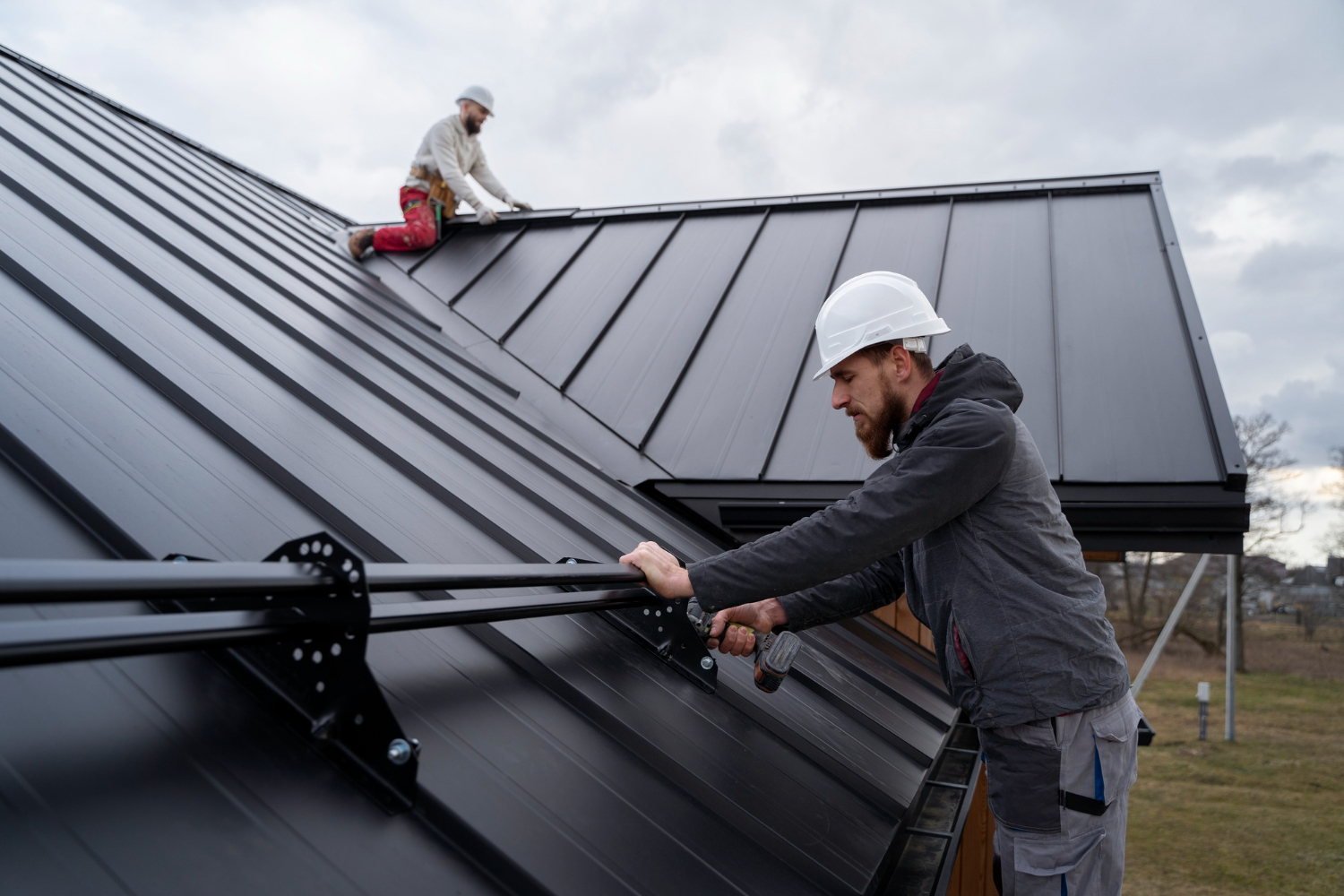
When it comes time to replace a residential roof, most homeowners reflexively choose traditional asphalt shingles. It is a familiar, predictable option with a relatively low barrier to entry. However, as modern building science advances and extreme weather events become more frequent, alternative materials are gaining significant traction. Chief among these is metal roofing.
The primary hurdle for anyone considering a metal roof is the upfront price tag. It is a premium product that can cost two to three times more than a standard asphalt shingle installation. This stark price difference frequently triggers a critical financial and structural question: Is metal roofing truly worth the high initial setup cost? To find the answer, homeowners must look past the immediate invoice and analyze the long-term lifecycle value, performance metrics, and hidden economic advantages of transitioning to a metal system.
The Upfront Financial Reality: Breaking Down the Costs
To understand the return on investment, one must first understand exactly what comprises the initial expense. The total cost of a metal roof installation varies based on material type, the architectural complexity of the roof line, and the specific installation method required.
Material Grading and Types
Not all metal roofs are created equal. The most common residential metal roofing material is steel, which is heavily galvanized or coated in an aluminum-zinc alloy to prevent corrosion. For premium projects, copper, aluminum, and zinc are also used, though at a significantly higher price tier.
-
Exposed Fastener Panels: This is the more economical metal option. The panels are overlapped and fastened directly through the metal into the roof deck using screws with rubber washers. While affordable, the exposed screws require periodic inspection and maintenance.
-
Standing Seam Systems: This represents the gold standard of architectural metal roofing. The fasteners are entirely concealed within raised, interlocking seams. This design allows the metal to expand and contract naturally with temperature fluctuations without putting stress on the fasteners, virtually eliminating the risk of leaks over time.
Labor and Specialized Installation
Installing a metal roof requires a completely different skillset than hammering down asphalt shingles. The labor cost is substantially higher because it requires precise mathematical calculations, specialized bending tools, and meticulous flashing work around chimneys, valleys, and dormers. Errors in a metal installation can lead to oil canning, which is the unsightly waving or buckling of the panels, or premature water penetration. Choosing a qualified, specialized contractor is non-negotiable, which elevates the baseline setup fee.
The Lifecycle Equation: Longevity vs. Replacement Intervals
The most compelling argument for the high initial cost of a metal roof is its unprecedented lifespan. To evaluate the true economic impact, the purchase must be viewed through a lifecycle assessment rather than an upfront transaction.
A properly installed standing seam steel or aluminum roof can easily last between 40 and 70 years. In contrast, a standard architectural asphalt shingle roof typically begins to degrade after 15 to 20 years, depending on climate exposure.
Consider a homeowner who plans to stay in their property for 40 years. Over that duration, they will likely need to replace their asphalt roof at least twice, if not three times. When you factor in the rising costs of materials and labor over those decades, the cumulative cost of multiple asphalt replacements far outpaces the single, upfront investment of a permanent metal roof. In essence, a metal roof is often the last roof a homeowner will ever need to buy.
Performance and Protective Advantages
Beyond the mathematical longevity, metal roofing provides superior structural protection against environmental hazards, directly preventing costly secondary home repairs.
Unmatched Weather and Impact Resistance
Metal roofs are engineered to withstand extreme weather conditions that routinely compromise traditional roofing materials. Most high-quality metal panels carry a Class 4 impact resistance rating, which is the highest possible standard for hail protection. While hail can crack or strip the protective granules off asphalt shingles, it typically leaves only minor cosmetic blemishes on metal, preserving the roof’s structural integrity. Furthermore, specialized interlocking panels can withstand wind gusts up to 140 miles per hour, making them highly resilient against hurricane-force winds.
Superior Fire Safety
In regions prone to wildfires, the materials used on a home’s exterior can mean the difference between survival and destruction. Metal roofing is inherently non-combustible and holds a Class A fire rating. It protects the structure from airborne embers, which frequently land on roofs and ignite traditional wood or asphalt materials. This high safety profile can also result in lower annual homeowner insurance premiums.
Resistance to Biological Decay
Asphalt shingles and wood shakes are highly susceptible to organic growth. Over time, moisture retention allows algae, moss, and mold to take root, which slowly eats away at the backing material and compromises the seals. Metal provides an completely inhospitable surface for biological growth. Moss and algae cannot penetrate the material, and shedding organic debris like pine needles or leaves is much easier on a smooth metal plane.
Energy Efficiency and Thermal Dynamics
The economic value of a metal roof extends directly into the homeowner’s monthly utility bills. Traditional dark asphalt shingles act like a thermal sponge, absorbing radiant heat from the sun and transferring it directly down into the attic and living spaces below, forcing air conditioning systems to work overtime.
Modern metal roofs are highly effective at regulating thermal energy through advanced paint technologies. Many manufacturers utilize reflective pigment coatings, often referred to as cool roofing technology. These specialized finishes reflect a massive percentage of solar radiation back into the atmosphere rather than absorbing it.
Additionally, because metal has a low thermal mass, it cools down rapidly once the sun sets, whereas asphalt shingles continue to radiate trapped heat long into the night. Homeowners who transition from traditional shingles to a highly reflective metal roof frequently see cooling energy costs drop by 10 to 25 percent during peak summer months.
Environmental Impact and Sustainability
For eco-conscious homeowners, traditional asphalt shingles present a massive environmental burden. Millions of tons of asphalt shingle waste are dumped into landfills annually, where they take centuries to decompose.
Metal roofing represents a highly sustainable, circular alternative. Most metal panels are manufactured using a minimum of 25 to 95 percent recycled content, depending on the specific material chosen. Furthermore, when a metal roof finally reaches the end of its incredibly long functional lifespan, it is 100 percent recyclable. It can be melted down and repurposed into new consumer goods or structural materials without losing any inherent structural integrity.
Frequently Asked Questions
Does a metal roof make a home hotter during the summer months?
No, this is a common misconception. While raw metal can heat up when exposed to direct sunlight, residential metal roofing panels are treated with specialized reflective coatings that repel solar heat. Because metal cools down much faster than asphalt, it actually keeps the home cooler by reducing the thermal load transferred into the attic structure.
Are metal roofs exceptionally loud when it rains or hails?
When installed correctly on a residential home, a metal roof is no louder than a traditional asphalt shingle roof. The noise associated with metal roofs usually stems from open-frame agricultural buildings like barns. In residential applications, the metal is installed over a solid wood roof deck combined with a thick underlayment and attic insulation, which effectively dampens acoustic vibrations from rain or hail.
Can a metal roof be installed directly over existing asphalt shingles?
Yes, in many jurisdictions, a metal roof can be retrofitted directly over a single layer of existing asphalt shingles. This process, often utilizing a furring strip grid, saves the homeowner significant labor costs associated with a total roof tear-off and reduces waste. However, the existing roof deck must be thoroughly inspected beforehand to ensure there is no hidden structural wood rot or moisture damage.
Will a metal roof attract lightning strikes to my home?
No, a metal roof does not increase the statistical likelihood of your home being struck by lightning. Lightning seeks the highest path to the ground, regardless of the material. However, if a home with a metal roof is struck, the material is actually safer than asphalt or wood because it is an electrical conductor that safely dissipates the charge across the structure, and it is entirely non-combustible, preventing a fire.
How prone are metal roofs to rusting over time?
Modern steel metal roofing panels are highly resistant to rust due to protective metallic coatings. They are dipped in zinc (galvanized) or a mixture of aluminum and zinc (galvalume) before the final paint finish is applied. This multi-layered barrier prevents moisture from reaching the raw steel core, ensuring decades of rust-free performance even in humid or coastal environments.
Is it safe to walk on a metal roof for routine maintenance like gutter cleaning?
Yes, you can safely walk on a metal roof, but it requires caution and proper footwear. Soft, clean, rubber-soled shoes provide the best traction. It is important to walk over the structural framing supports or in the flat flat valley sections of the panels rather than on the raised ribs or seams to avoid bending or denting the metal. Walking should be avoided when the roof is wet, icy, or covered in debris.
Comments are closed.