

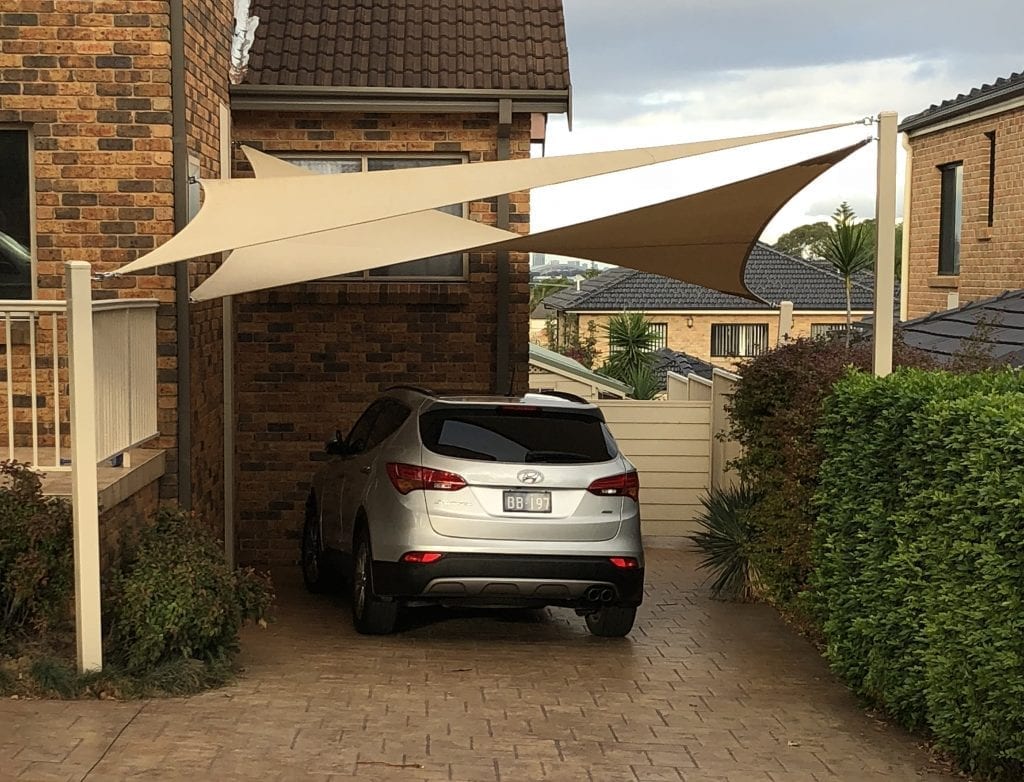
A well-planned shade structure turns an exposed backyard, courtyard, or commercial space into somewhere usable all summer. Sydney’s strong sun and sudden storms make good planning essential. Rush the process and you risk poor coverage, wasted money, or a structure that fails council rules.
The good news is that planning follows a clear order. Assess the site, track the sun, check approval requirements, choose the right fabric, then lock in solid anchoring. Get these steps right and your shade structure will perform for years.
This guide walks through each stage so you can plan a custom fabric shade structure with confidence.
Start With a Site Assessment
Measure the area you want to cover and note what surrounds it. Look for fixed points like walls, eaves, and existing posts that could serve as anchors. Check the ground surface too. Soil, concrete, and paving each call for different footing methods.
Note obstacles such as trees, powerlines, and drainage. These affect where posts can go and how the fabric will sit. A clear site sketch saves time later and helps any installer quote accurately.
Track the Sun Direction
Shade only works if it blocks the sun when it matters. In Sydney, the harshest heat comes from the north and west, especially through summer afternoons.
Watch how sunlight moves across your space during the day. Prioritise cover for west-facing areas that cop the fierce afternoon load. Angle the design to catch high summer sun while allowing lower winter light through when you want warmth.
Check Council Approval in Sydney
Approval rules vary across Sydney councils, so check before you build. Some smaller structures qualify as exempt development and need no formal approval. Larger or attached structures often require a development application.
Contact your local council early and confirm:
- Size limits for exempt structures
- Boundary setbacks and height restrictions
- Heritage or bushfire overlays that apply to your property
- Documentation needed for any application
Sorting approval first avoids costly changes or removal orders down the track.
Choose the Right Fabric
Material decides both performance and lifespan. Australian conditions demand fabric rated for high UV exposure and strong wind.
Compare your options on these points:
- UV block rating. Higher percentages give better sun protection.
- Breathability. Woven shade cloth vents heat and handles wind. Waterproof PVC blocks rain but traps more heat.
- Colour. Darker tones block more UV, while lighter tones reflect more heat.
- Warranty. Quality fabrics carry a UV degradation warranty of around 10 to 15 years.
Match the fabric to your goal. Rain cover needs waterproof material. Summer shade suits a breathable weave.
Plan Structural Anchoring
Anchoring holds everything together during Sydney storms. Fabric under tension pulls hard on every fixing point, so each one must suit its surface.
Set posts in concrete footings sized for the span and expected wind load. Fix wall attachments into solid structure, never render or brick veneer alone. Use rated stainless steel fittings that resist coastal corrosion. For large spans, have the design checked by an engineer.
Plan your shade structure in order: assess the site, track the sun, confirm council rules, select durable fabric, then anchor it securely. Start with a measured site sketch and a call to your local council. That groundwork gives you shade that lasts and holds up to the Sydney climate.
Comments are closed.