

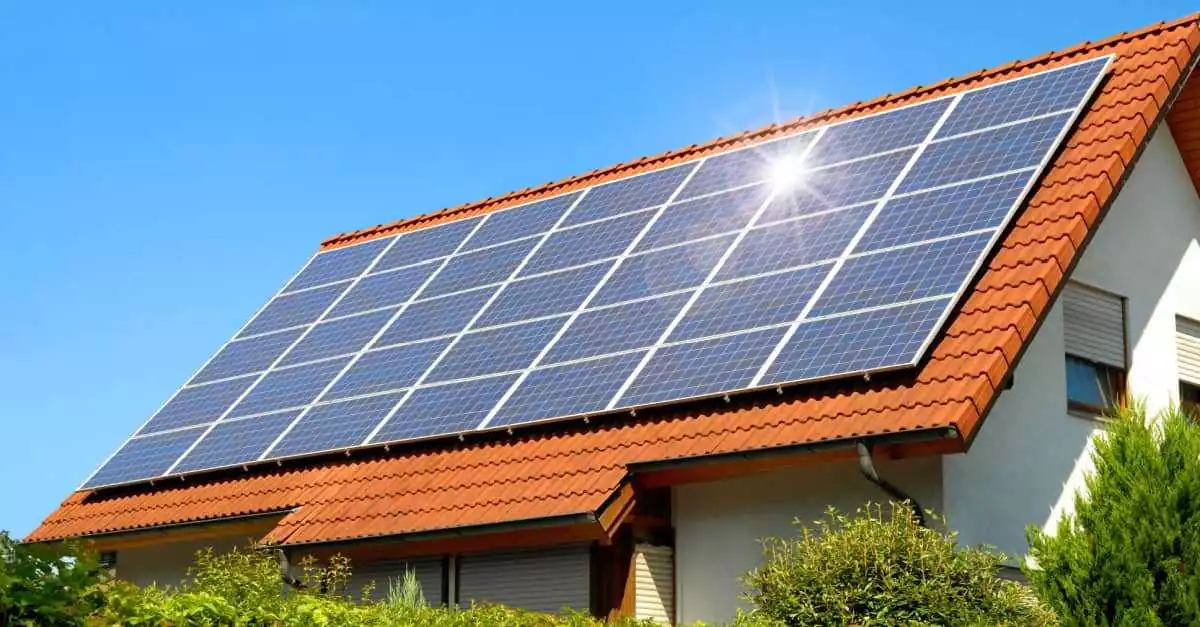
The global shift toward sustainable energy has transformed from a niche environmental movement into a mainstream economic strategy for homeowners. Among the various residential green technologies available, solar energy systems remain the most visible and widely adopted. However, the market has evolved beyond traditional, bulky solar panels mounted on top of existing shingles. Today, homeowners are increasingly considering solar roofing, also known as building-integrated photovoltaics or solar shingles, which blend electricity generation directly into the structural roofing material itself.
Despite the undeniable appeal of lower utility bills and reduced carbon footprints, transitioning to a solar roofing system is a massive financial commitment. It represents one of the most significant capital investments a property owner can make. Determining whether this technology makes financial sense requires a rigorous cost-benefit analysis. Homeowners must weigh the substantial upfront capital requirements against long-term energy savings, property value appreciation, and available tax incentives.
Defining the Scope: Solar Panels vs. Integrated Solar Roofing
To conduct an accurate financial assessment, it is critical to distinguish between traditional rack-mounted solar panels and integrated solar roofing. Traditional panels are bolted onto an existing, functionally sound roof using a metal racking system. This is generally an add-on installation that does not replace the underlying shingles.
In contrast, solar roofing replaces standard shingles entirely with tempered glass tiles that contain photovoltaic cells. This dual-functionality means the system acts simultaneously as a durable, weather-tight protective barrier for the home and a mini power plant. Because it serves as both the roof structure and the energy generator, the initial costs, installation complexities, and aesthetic impacts are vastly different from traditional solar setups.
The Cost Side of the Ledger: Capital Expenditures
The primary barrier to entry for solar roofing is the initial setup cost. A comprehensive cost-benefit analysis must account for all upfront outlays, which generally fall into three primary categories: equipment, specialized labor, and infrastructure upgrades.
Hardware and Material Expenses
Solar roofing tiles are premium, highly engineered products. The materials must not only possess excellent electrical conductivity and solar absorption capabilities, but they must also feature the impact resistance, fire ratings, and wind tolerances of commercial-grade roofing materials. Because of this dual engineering standard, the cost per square foot for solar shingles is significantly higher than both traditional asphalt shingles and standard solar panels.
Specialized Labor and Installation Complexity
Installing a solar roof requires a unique cross-discipline workforce. Traditional roofers lack the electrical expertise required to wire a high-voltage photovoltaic system, while standard electricians are not trained to safely tear down, flash, and weatherproof a structural roof plane.
Consequently, installations require specialized crews certified in both disciplines, or tightly coordinated sub-contractors. The process involves laying down specialized underlayments, mechanically fastening the tiles, and meticulously running electrical connectors through the roof deck into a centralized inverter system.
Comments are closed.