

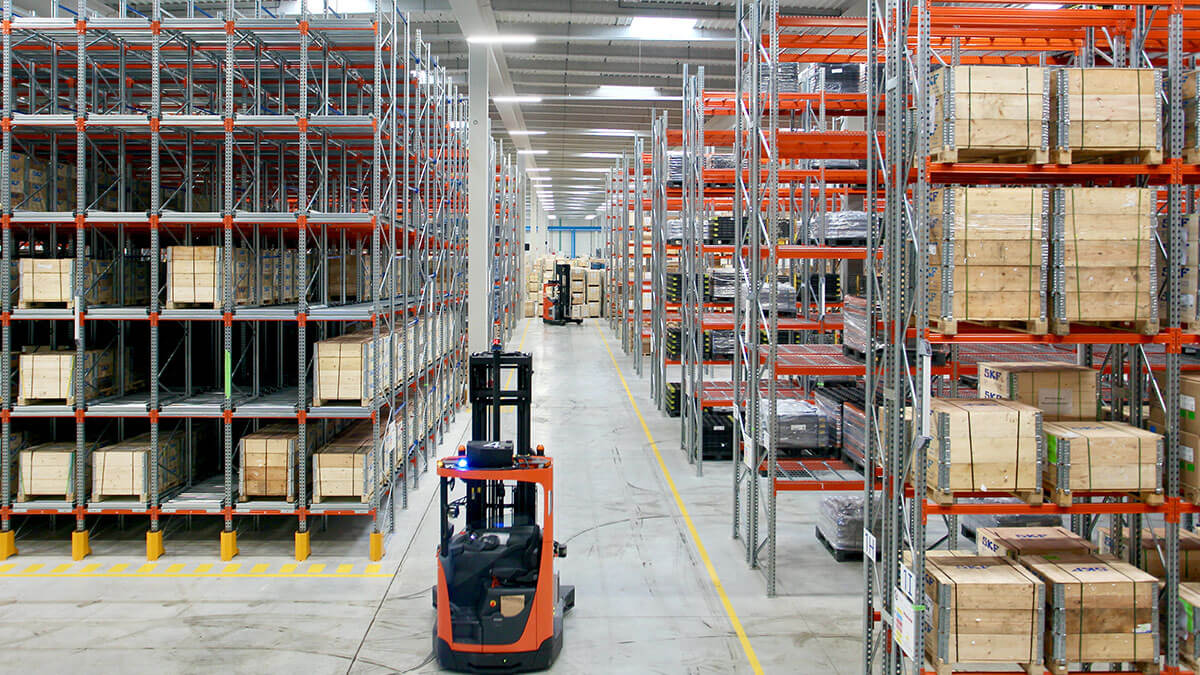
For businesses involved in cross-border trade, warehouse decisions often carry more weight than people expect. Storage is only one part of the picture. The real value comes from how the site supports movement of goods, customs processes, stock control, and wider supply chain efficiency. That is why companies considering a free zone warehouse for rent are usually focused on more than space alone. They are looking for a set-up that can make international operations more practical and easier to manage.
The Right Storage Set-Up Can Improve the Flow of Trade
Import and export businesses rely on timing, coordination, and visibility. Goods need to move through the supply chain in an organised way, and any friction in storage or handling can affect far more than the warehouse itself. Delays can ripple into transport planning, customer commitments, and working capital pressures.
That is why warehouse selection should be tied closely to how the business operates day to day. A good site needs to support receiving, holding, and dispatching stock without creating avoidable complications. If the property is well suited to the company’s trade activity, it can help reduce pressure across the wider operation.
This becomes especially important when goods are moving internationally. Storage is not just a practical need. It becomes part of how efficiently the business handles its trading activity overall.
Free Zone Space Can Offer Useful Operational Advantages
Businesses involved in overseas trade often look for arrangements that make customs and stock handling easier to manage. Free zone warehouse space can be appealing in that context because it may suit companies that need greater flexibility around imported goods before they move into the domestic market or continue through distribution channels.
That kind of arrangement can be valuable for businesses trying to keep operations lean and responsive. It may support clearer stock planning, better coordination with logistics partners, and a more suitable framework for goods that are moving through international supply chains.
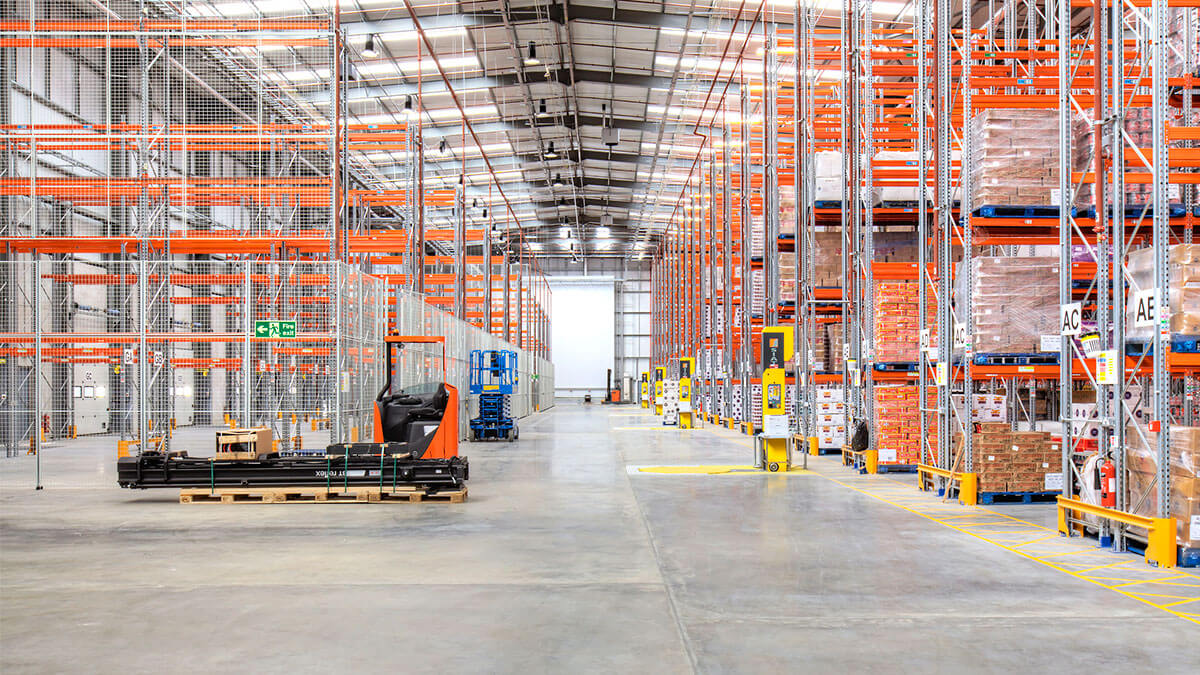
The key point is not just the warehouse itself, but how the setting supports the structure of the business. For companies with regular import and export movement, that can make the decision far more strategic than a standard property search.
Not Every Warehouse Suits the Same Business Model
A warehouse that works well for domestic distribution may not be the best option for a business with more complex trade requirements. Storage type, access, circulation, handling capability, and wider site set-up all need to reflect what the occupier is actually doing.
This is why a strong property decision usually starts with the operational model rather than the building brochure. Businesses need to think about how stock arrives, how long it stays, how it is tracked, and where it goes next. They also need to consider whether the site will continue to support those needs if volumes shift or trade patterns change.
Choosing warehouse space without that wider view can lead to compromises later. The better approach is to find a site that fits the business properly from the start, both physically and operationally.
The Best Industrial Decisions Usually Reduce Friction
A good warehouse should make the business easier to run. That may mean smoother movement of goods, clearer stock management, better alignment with transport routes, or a set-up that supports international trade more effectively. These improvements are not always dramatic on day one, but over time they can make a meaningful difference to efficiency.
That is why free zone warehouse space continues to attract attention from import and export businesses. It can offer a more suitable foundation for companies that need their storage and logistics arrangements to work in step with the realities of international trade.
When a property choice reflects the actual needs of the business, it becomes more than a place to hold inventory. It becomes part of a stronger operating model, and that is usually what matters most in the long run.
Comments are closed.