

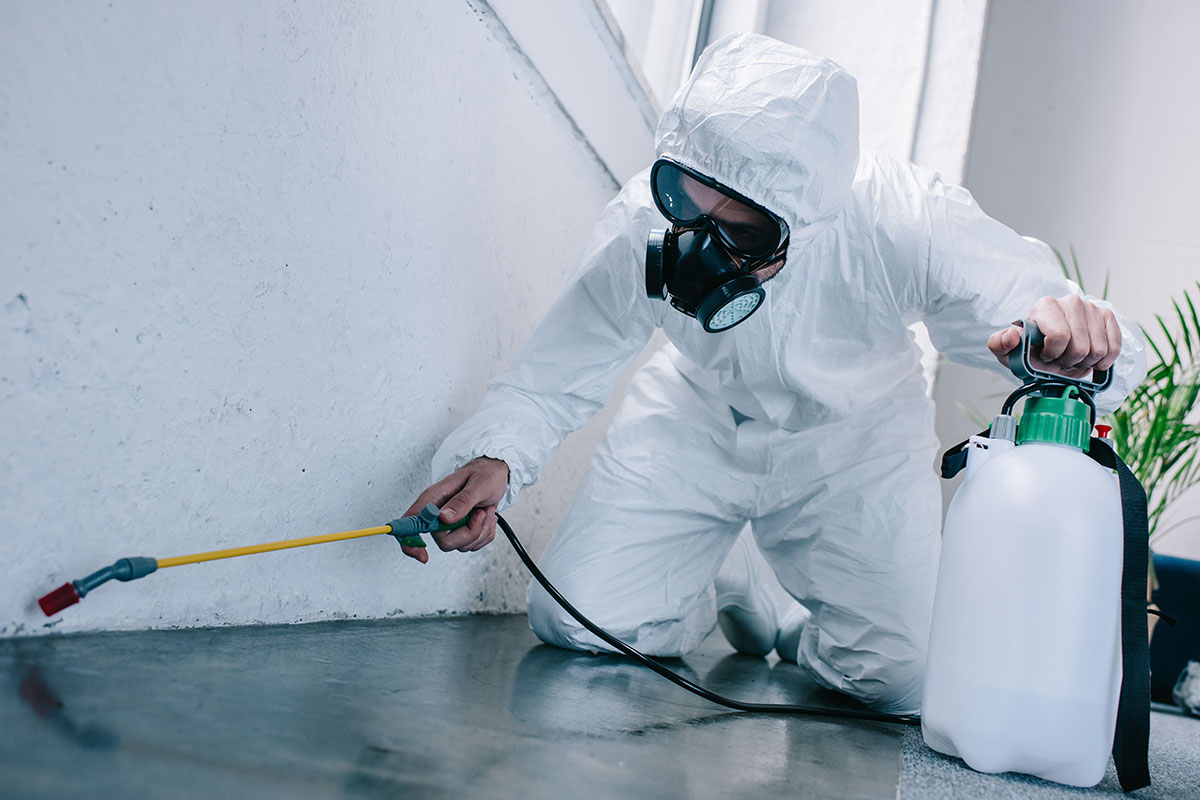
For decades, the standard response to a pest infestation was simple: see a bug, spray the bug. While this reactive approach offers a temporary fix, it rarely solves the underlying issue. Modern pest management has shifted from indiscriminate chemical warfare to a sophisticated, science-based discipline known as Integrated Pest Management (IPM). By understanding the biology, behavior, and ecological needs of pests, we can eliminate infestations at their source and prevent them from returning.
To effectively manage pests, we must treat the home as an ecosystem. Pests do not enter human habitations out of malice; they enter in search of three fundamental biological necessities: food, water, and shelter. Disrupting the availability of these resources stops infestations before they can establish a foothold.
The Biology of Attraction: What Draws Pests Inside?
Pests possess highly evolved sensory systems designed to detect micro-variables in their environment. Understanding these biological triggers allows homeowners to manipulate the environment to be actively hostile to pests.
Moisture and Relative Humidity
Insects are highly susceptible to desiccation (drying out). Many structural pests, such as termites, woodboring beetles, silverfish, and booklice, require high levels of ambient moisture to survive. For example, subterranean termites must maintain a specific moisture level within their colonies to prevent their cuticles from drying out. When a home has poor drainage, leaky pipes, or inadequate ventilation in crawl spaces, it creates a microclimate that acts as a beacon for these organisms.
Chemical Signatures and Pheromones
Ants and cockroaches rely heavily on chemical communication. When a foraging scout ant locates a food source, it deposits a trail of aggregation pheromones on its return to the nest. This chemical highway guides hundreds of nestmates directly to the food source. Similarly, cockroaches secrete aggregation pheromones in their feces, signaling to other cockroaches that a specific crack or crevice is a safe, harborable environment. Simply removing the food source does not erase these chemical signatures; the trails must be structurally broken down to stop the influx of pests.
Thermal Gradients and Harborage
Insects are ectothermic, meaning their body temperature is regulated by the external environment. During seasonal transitions, particularly as autumn approaches, the thermal gradient shifting from a cooling exterior to a heated interior draws pests like boxelder bugs, brown marmorated stink bugs, and rodents toward the structure. Once inside, they seek harborages—dark, undisturbed spaces that mimic natural rock crevices or hollow logs. Void spaces behind drywall, cluttered basements, and insulation provide the perfect thermal insulation for overwintering.
Integrated Pest Management (IPM): The Four-Pillar Framework
Integrated Pest Management is a comprehensive, science-based approach that focuses on long-term prevention by combining multiple management tactics. It moves away from routine, calendar-based pesticide applications in favor of targeted interventions.
1. Inspection and Identification
You cannot manage a pest effectively unless you know exactly what organism you are dealing with. Different species of ants, for instance, have wildly different dietary preferences and nesting habits. Carpenter ants hollow out structural wood to build satellite nests, requiring a completely different treatment protocol than Odorous House Ants, which prefer sugary substances and nest outdoors in mulch. Accurate identification reveals the specific biological vulnerabilities of the pest.
2. Exclusion (Structural Defenses)
Exclusion is the practice of physically denying pests entry into a structure. This is the most effective long-term pest control strategy available. From a mechanical standpoint, any gap can be an open door:
-
A juvenile mouse can squeeze through a hole the size of a dime (one-quarter of an inch).
-
A cockroach can compress its exoskeleton to fit into a gap as thin as a business card.
Sealing entry points requires durable materials. Standard expanding foam is easily chewed through by rodents; instead, a combination of stainless steel mesh, copper stuff-fit mesh, and elastomeric silicone caulking should be used to seal gaps around utility penetrations, weep holes, and foundation cracks. Door sweeps must be installed tightly against thresholds, and window screens must be maintained without tears.
3. Sanitation and Cultural Controls
Cultural controls involve altering the environment to make it less hospitable to pests. Sanitation is the cornerstone of this pillar. Eliminating standing water by repairing plumbing leaks and ensuring proper grading away from the foundation removes the primary resource for mosquitoes, termites, and rodents.
Food storage must be addressed with biological awareness. Cardboard boxes and thin plastic bags are easily breached by the chewing mouthparts of stored product pests like Indianmeal moths and flour beetles. Transitioning dry goods to airtight glass or heavy-duty polyethylene containers creates an impenetrable barrier. Additionally, keeping outdoor vegetation trimmed back at least two feet from the structure prevents ants and mites from using tree branches as bridges to bypass ground-level defenses.
4. Mechanical and Chemical Controls
When physical and cultural barriers fail, direct control measures become necessary. Under an IPM framework, chemical intervention is used as a targeted scalpel rather than a blunt instrument.
Instead of spraying broad-spectrum synthetic pyrethroids across baseboards, which can scatter pests and cause secondary infestations, technicians use highly specific baits. Gel baits for cockroaches and ants utilize a palatable food matrix laced with a slow-acting metabolic inhibitor or insect growth regulator (IGR). Foraging pests consume the bait and return to the colony, transferring the active ingredient to other members through trophallaxis (the sharing of food) or cannibalism, effectively neutralizing the population at its core.
The Chemistry of Modern Pest Control
When chemical intervention is required, modern entomology relies on highly targeted compounds designed to exploit specific biological systems unique to invertebrates, minimizing risk to non-target organisms like humans and pets.
| Chemical Class | Mode of Action | Primary Target Pests |
| Insect Growth Regulators (IGRs) | Mimics juvenile hormones to disrupt chitin synthesis and molting cycles. | Fleas, Cockroaches, Termites |
| Neonicotinoids | Binds to nicotinic acetylcholine receptors, disrupting the central nervous system. | Ants, Termites, Aphids |
| Borates (Boron compounds) | Acts as a stomach poison upon ingestion and disrupts metabolic pathways. | Wood-boring beetles, Ants |
| Botanical Oils (e.g., Rosemary, Thyme) | Disrupted octopamine receptors, unique to insect nervous systems. | Flying insects, Crawling pests |
Insect Growth Regulators are particularly effective because they do not kill the adult insect immediately. Instead, they prevent immature insects from shedding their exoskeletons or maturing into reproductive adults. This breaks the reproductive cycle entirely, causing the colony to collapse naturally over time.
Frequently Asked Questions
Why do I see an increase in pest activity immediately after a professional treatment is applied?
This phenomenon is known as the flushing effect. Many modern pest control formulations contain active ingredients or carriers that intentionally disrupt the nervous system of the pests or irritate them out of their harborages. When hidden pests come into contact with these compounds, their normal behaviors are altered, causing them to abandon their deep nesting sites in walls or voids and move out into open areas. This increased visibility means the treatment is working, as the pests are tracking through the applied materials and will soon succumb to the effects.
Can pests develop a genetic immunity to common over-the-counter sprays?
Yes. This biological mechanism is known as pesticide resistance. When a broad-spectrum chemical is used repeatedly, it eliminates the vulnerable members of a pest population while leaving behind a small percentage of individuals that possess a natural genetic mutation allowing them to survive the exposure. These survivors reproduce, passing the resistant genes to their offspring. Over generations, the entire local population can become completely immune to that specific class of chemical, which is why rotating modes of action is vital in professional pest management.
What is the difference between a flying ant and a termite swarmer?
While they look similar to the naked eye, they have distinct morphological differences. A flying ant has a pinched, narrow waist, bent or elbowed antennae, and two pairs of wings where the front pair is significantly larger than the hind pair.
Comments are closed.