

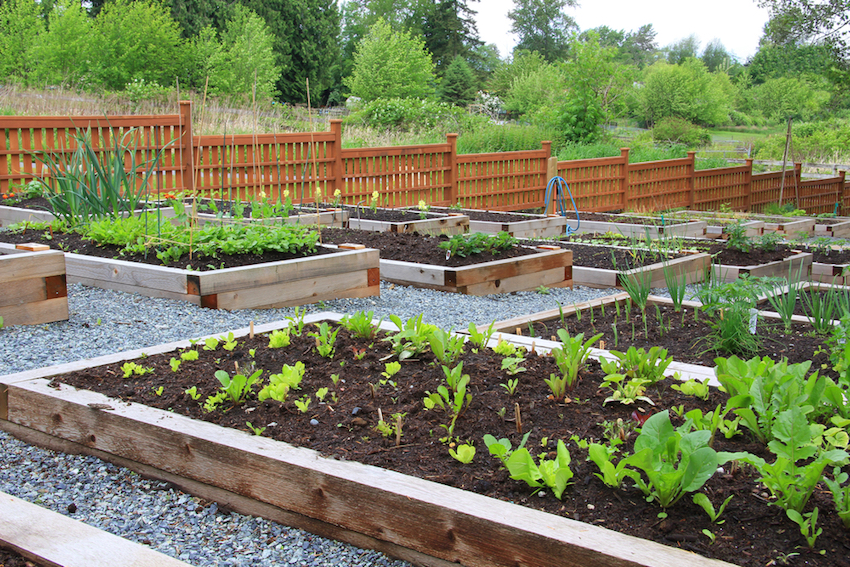
Stepping away from synthetic chemicals is one of the most rewarding decisions a gardener can make. Choosing an organic approach creates a self-sustaining ecosystem right in your backyard. Instead of forcing rapid, artificial plant growth with chemical inputs, organic gardening focuses on nurturing the living soil. When the soil is healthy, plants naturally thrive, resisting pests and diseases more effectively.
Shifting to chemical-free gardening requires patience and a shift in mindset. It means viewing your garden as an interconnected web of life rather than a production line. By adopting sustainable practices, you can grow a vibrant, high-yielding garden that is completely safe for your family, pets, and local wildlife.
Understanding the Soil Food Web
The foundation of any successful organic garden is a thriving soil food web. Chemical fertilizers deliver a heavy dose of isolated nutrients directly to plant roots, but they also degrade the long-term health of the soil. Over time, these synthetic salts kill off beneficial microbes, earthworms, and fungi.
Organic gardening flips this approach by feeding the soil rather than the plant. When you add organic matter, you feed billions of microscopic organisms. These organisms break down the material, slowly releasing essential nutrients in a form that plants can easily absorb.
-
Bacteria and Fungi: These microorganisms decompose complex organic compounds and convert them into plant-available nutrients. Mycorrhizal fungi form symbiotic relationships with plant roots, effectively extending their reach to absorb water and minerals.
-
Earthworms: As earthworms tunnel through the earth, they aerate the soil, allowing oxygen and water to reach plant roots. Their waste, known as castings, is incredibly rich in nutrients and beneficial bacteria.
-
Soil Structure: Healthy, microbe-rich soil develops a crumbly structure that holds moisture beautifully while letting excess water drain away, preventing root rot.
Building Rich Soil with Compost
Compost is the absolute cornerstone of chemical-free gardening. Often referred to as black gold, compost introduces vital nutrients and recharges the biological life of your soil.
Setting Up a Compost System
You do not need an expensive setup to make high-quality compost. A simple backyard bin or a designated pile works perfectly. The secret to great compost lies in balancing your ingredients. You need a mix of carbon-rich brown materials and nitrogen-rich green materials.
-
Brown Materials (Carbon): These include dried leaves, straw, shredded cardboard, wood chips, and sawdust. Browns provide the energy source for composting microbes.
-
Green Materials (Nitrogen): These include kitchen scraps, coffee grounds, fresh grass clippings, and garden trimmings. Greens provide the protein needed for microbes to multiply.
To maintain a healthy pile, aim for roughly two to three parts brown material to one part green material. Keep the pile as damp as a wrung-out sponge and turn it every week or two with a pitchfork to introduce oxygen. Within a few months, the materials will break down into a dark, earthy matter that you can spread generously across your garden beds.
Utilizing Cover Crops and Green Manures
If you want to fertilize your garden during the off-season without opening a single bag of fertilizer, cover crops are your best tool. Also known as green manures, these are plants grown specifically to enrich the soil rather than for harvest.
Nitrogen-Fixing Legumes
Plants such as clover, vetch, field peas, and alfalfa have a unique partnership with specific soil bacteria. These bacteria pull nitrogen gas from the air and convert it into a solid form that plants can use. When you terminate the cover crop in the spring, that trapped nitrogen is released directly into the soil for your next crop of vegetables.
Deep-Rooted Scavengers
Cover crops like daikon radishes or winter rye act as biological drills. Their deep roots break through compacted soil layers, pulling up nutrients from deep beneath the surface. When these plants die back in the winter or are cut down in the spring, they leave behind deep channels for air and water, while their decomposing bodies leave nutrients right in the topsoil layer.
Harnessing Natural and Organic Amendments
While compost and cover crops form the base of your routine, specific natural amendments can help balance targeted nutrient deficiencies in an organic garden.
Aged Animal Manures
Manure from herbivores like cows, horses, chickens, and rabbits is excellent for boosting soil fertility. However, you must never use fresh manure directly on growing plants. Fresh manure is highly concentrated and can burn plant roots, and it may also carry harmful pathogens. Ensure that any manure you use has been aged or composted for at least six months.
Specialized Organic Meals
If a soil test reveals specific nutrient gaps, you can turn to these slow-release, natural alternatives:
-
Bone Meal: A great source of phosphorus and calcium, bone meal encourages strong root development and plentiful blooms.
-
Blood Meal: Highly concentrated in nitrogen, blood meal provides a quick boost to leafy green vegetables, though it should be used sparingly to avoid over-fertilization.
-
Kelp Meal: Made from dried seaweed, kelp meal delivers over sixty trace minerals, boosting plant immunity and stress tolerance.
The Power of Mulching
Mulching is a simple yet transformative practice for chemical-free gardens. Leaving soil bare exposes it to the harsh sun, heavy rains, and wind, which erodes nutrients and bakes the surface into a hard crust.
Benefits of Organic Mulch
Applying a three-inch layer of organic material over your garden beds delivers multiple benefits. It suppresses weed growth by blocking sunlight from weed seeds. It drastically reduces water evaporation, meaning you will need to water far less frequently. Most importantly, as the mulch breaks down over the season, it constantly feeds the top layer of soil with organic matter.
Excellent Mulch Choices
-
Clean Straw: Perfect for vegetable gardens, straw keeps low-hanging fruit like tomatoes and strawberries off the damp dirt. Ensure you buy weed-free straw rather than hay.
-
Shredded Leaves: An abundant, free resource in the autumn. Shredding them first prevents them from matting together and blocking water.
-
Wood Chips or Bark: Best suited for permanent walkways and around perennial bushes or fruit trees, as they take a long time to decompose.
Crop Rotation and Companion Planting
Growing the exact same crop in the same spot year after year quickly drains specific nutrients from the soil and invites localized pests to settle in. Organic gardeners use smart planting strategies to break these cycles naturally.
Practicing Crop Rotation
Divide your vegetable crops into families and rotate their locations every year on a four-year cycle. For example, heavy-feeding crops like tomatoes and peppers should be followed the next year by light-feeding root crops like carrots or radishes. The third year could feature heavy nitrogen-fixers like beans or peas, followed by a cover crop or light leafy greens in the fourth year. This prevents any single nutrient from being entirely depleted.
Embracing Companion Planting
Companion planting involves growing mutually beneficial plants right next to one another. A classic example is the traditional Three Sisters method, where corn, beans, and squash are planted together. The corn provides a sturdy trellis for the climbing beans, the beans fix nitrogen to feed the corn, and the broad squash leaves blanket the ground, acting as a living mulch to control weeds and conserve moisture.
Natural Pest and Disease Management
When you stop using chemical pesticides, beneficial insects will naturally return to balance out the pest population. Managing pests organically is about control and balance, not total eradication.
Attracting Beneficial Insects
Plant plenty of flowering herbs and native flowers like marigolds, dill, fennel, and sweet alyssum throughout your vegetable beds. These plants attract predatory insects such as ladybugs, lacewings, and hoverflies, which will eagerly feast on destructive aphids, thrips, and mites.
Physical Barriers and Traps
Instead of reaching for chemical sprays, use physical methods to protect your crops:
-
Floating Row Covers: Lightweight fabric covers allow light and water through but completely block pests like cabbage moths and flea beetles from reaching your crops.
-
Handpicking: For larger pests like the hornworm or squash bug, simply inspecting your plants daily and dropping the pests into a bucket of soapy water is highly effective.
-
Organic Sprays: If an outbreak gets entirely out of hand, use mild organic solutions like insecticidal soaps or neem oil, applying them only in the late evening to protect foraging bees.
Frequently Asked Questions
How long does it take for a garden to transition fully from chemical to organic?
The transition period largely depends on the initial state of your soil. If the soil has been heavily treated with synthetic chemicals for years, it typically takes two to three growing seasons of adding compost, organic matter, and cover crops to fully restore the microbial populations and soil structure. However, you will notice positive changes, such as increased earthworm activity and better water retention, within the very first season.
Can I use fresh grass clippings from my lawn as mulch or compost?
Yes, fresh grass clippings are an excellent source of nitrogen. However, you must ensure that the lawn has not been treated with any chemical weed killers or synthetic fertilizers, as these chemicals can persist on the grass and damage your garden vegetables. Additionally, apply fresh clippings in very thin layers so they do not mat together and create a slimy, foul-smelling barrier that blocks oxygen.
How do I know if my organic soil is missing specific nutrients?
The most accurate way to find out is by conducting a soil test through a local agricultural extension office or utilizing a reputable home testing kit. Visual cues from your plants can also provide hints. For instance, stunted growth combined with yellowing lower leaves often indicates a need for nitrogen. Purplish leaves can signal a phosphorus deficiency, while yellowing edges on older leaves can indicate a lack of potassium.
Is it possible to over-fertilize a garden when using only organic methods?
While it is much harder to over-fertilize with organic methods than with fast-acting chemical fertilizers, it is still possible. Adding excessive amounts of highly concentrated organic amendments, such as blood meal or fresh poultry manure, can introduce too much nitrogen. This results in massive, lush green foliage but very few flowers or fruit, and it can occasionally stress or burn sensitive plant roots.
What is the difference between organic fertilizer and organic soil conditioners?
Organic fertilizers, such as bone meal or fish emulsion, are primary sources of specific plant nutrients like nitrogen, phosphorus, and potassium. Organic soil conditioners, such as biochar, leaf mold, and compost, focus primarily on improving the physical structure, aeration, water-holding capacity, and microbial life of the soil. Conditioners contain nutrients, but their main goal is long-term soil health.
How do I control aggressive weeds without resorting to chemical herbicides?
Weed control in an organic garden relies on prevention and physical removal. Maintaining a thick, three-inch layer of organic mulch is your best defense, as it prevents light from reaching weed seeds. For weeds that manage to break through, consistent hand-pulling when they are small is key. You can also use a flame weeder for pathways or pour boiling water directly onto weeds growing in sidewalk or patio cracks.
Comments are closed.