

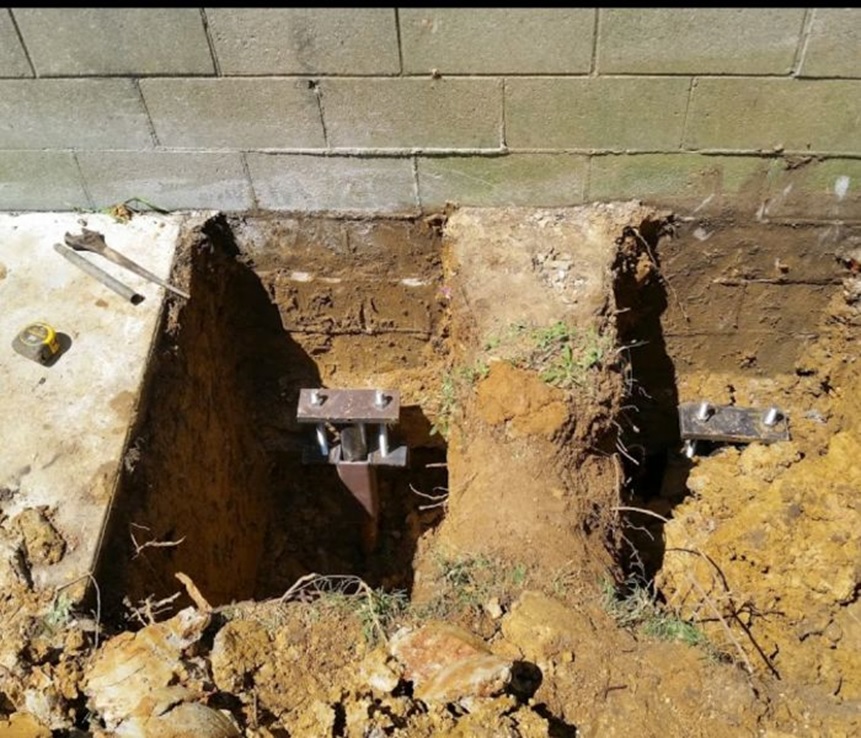
A crack inside the basement may seem like an indoor problem until you find a low spot in the yard directly outside it. A sticking door may seem unrelated to the foundation until exterior masonry near the same part of the house starts separating. Looking at only one side of the structure may leave important details out of the picture.
Planning foundation repair in Midlothian starts with comparing what is happening inside the house with conditions around the exterior. Wall cracks, floor changes, moisture, drainage, masonry, crawl spaces, and previous repairs all provide different pieces of information. When those clues are viewed together, the repair discussion has a stronger starting point.
Match Interior Cracks With the Outside Wall
When you notice a crack indoors, identify approximately where that same section sits outside.
You may find an exterior foundation wall, brick, siding, landscaping, a patio, or a downspout nearby. Take note of anything that looks different, but do not assume the two areas automatically share one cause.
The comparison itself is useful.
An indoor crack with no visible exterior change presents one picture. A crack near exterior masonry separation, poor drainage, or another structural change adds more information for the inspection.
Take photographs from both sides when the areas are accessible. Wider photos are especially useful because they show the crack in relation to corners, windows, doors, and other building features.
Floor Changes Should Be Compared With Ground Conditions
A sloping or uneven floor often draws attention toward the structure below it.
Before deciding what the change means, look outside near the same section of the house. Does the ground slope away from the foundation? Is there a low area nearby? Does a downspout empty close to the wall?
Soil and drainage conditions differ from one side of a property to another.
One elevation may stay relatively dry while another receives concentrated roof runoff after every storm. That difference may provide useful context when floor movement appears mostly in one area.
For information about local foundation, basement, crawl-space, and drainage services, visit midlothianfoundationrepairspecialists.com.
Basement Moisture Needs an Exterior Comparison
Water stains inside a basement do not reveal the entire route water traveled to get there.
Start with the location of the moisture. Is it near a crack, window, floor-wall joint, utility penetration, or one particular corner?
Then inspect outside.
Look for downspouts, landscaping, hard surfaces, and low areas near the same section. Water may be reaching the foundation from roof runoff or surface drainage even when the visible moisture appears several feet away indoors.
During foundation repair in Midlothian, moisture and structural movement deserve separate evaluation. A wall may need structural work, water-management work, or both depending on the conditions found.
Roof Runoff Changes the Soil Around the House
Rain does not stop affecting the property when it leaves the roof.
The U.S. Department of Energy explains that large volumes of roof runoff may rapidly saturate soil around a foundation when water is not carried away. Its guidance on foundation drains, gutters, and downspouts discusses grading, gutters, downspouts, and drainage methods that direct water away from foundation walls.
Walk outside during or shortly after a strong rain when it is safe to do so.
Notice where water flows, where it collects, and how far downspouts discharge from the structure. Those observations often reveal drainage patterns that are much harder to see during dry weather.
A Sticking Door Has an Exterior Side Too
A door that suddenly rubs or stops latching may be one of the first changes you notice indoors.
Before connecting it to the foundation, check the surrounding area.
Look for cracks above the opening, gaps around trim, or changes in the nearby floor. Then check the exterior wall near the same part of the house.
Brick or masonry may show separation around windows and doors. Exterior corners may also show changes that are difficult to see from inside.
One sticking door does not diagnose foundation movement. A group of changes appearing in the same area deserves a closer comparison.
Windows Create Reference Points on Both Sides
Windows provide another useful way to match interior and exterior conditions.
A crack beginning near the corner of a basement window may appear beside a window well outside. Moisture below the same window may suggest that drainage around the opening deserves attention too.
Above-grade windows offer similar reference points.
Look for gaps, masonry cracks, or trim changes around the same opening on both sides of the wall.
Photograph what you find rather than trying to classify the problem yourself. Location and surrounding conditions give the inspection useful information without requiring you to determine the cause.
Crawl-Space Symptoms Often Appear Upstairs
Crawl spaces are mostly hidden, so the first clue may appear in the room above.
A floor may feel bouncy, sloped, or softer in one section. Gaps may appear around trim or interior doors.
If the crawl space is safely accessible, structural professionals may compare those symptoms with supports, beams, soil conditions, moisture, and visible wood damage underneath.
The exterior still matters.
Downspout discharge, grading, and standing water near crawl-space walls may affect moisture conditions below the house. Comparing the living space, crawl space, and outside ground creates a more complete picture than examining one area alone.
Bowing Basement Walls Need More Than a Crack Check
A basement wall may show a visible crack while the larger issue is a change in wall alignment.
Stand near one end and look along the wall. A sideways view often makes bowing or displacement easier to notice.
Then look outside that wall.
Below-grade walls hold back soil, so the condition of the surrounding ground and drainage belongs in the inspection. Heavy saturation may increase pressure around below-grade construction, while dry conditions present a different environment.
Thoughtful foundation repair in Midlothian compares wall movement with the exterior conditions surrounding that wall rather than focusing only on the crack line.
Previous Repairs Should Be Compared on Both Sides
Old repairs provide useful history.
Inside, you may see a patched crack, sealed joint, or section of finished wall that differs from the surrounding surface. Outside, there may be drainage changes, newer concrete, altered grading, or previous masonry repairs.
Do not assume earlier work failed simply because it is visible.
Instead, ask whether the repaired area has changed since the work was completed. Has a crack reopened? Has moisture returned? Is a new gap developing beside the original repair?
Older photographs and invoices provide useful background when available.
Exterior Masonry May Reveal a Wider Pattern
Brick and block make movement easy to notice because their joints create consistent lines.
Look for stair-step cracks, separation at corners, or gaps around openings.
Then compare those locations with the inside of the house.
A masonry crack near the same area as an uneven floor or interior wall separation provides a broader pattern for the inspection. Another exterior crack may sit far from any noticeable indoor change.
Both observations matter.
The objective is not to force every crack into one explanation. It is to understand where changes cluster around the property.
Hard Surfaces Influence Where Water Travels
Driveways, patios, walkways, and other paved areas affect drainage too.
A concrete surface that slopes toward the house may direct runoff toward one part of the foundation. A settled section may create a low point where water repeatedly collects.
Inspect these areas after rain.
Watch where water goes rather than judging drainage only by how the surface looks when dry.
If moisture problems inside consistently appear near the same exterior hardscape, include that information during the inspection.
Photos Make Inside-and-Outside Comparisons Easier
It is difficult to remember exactly how a crack, floor gap, or moisture stain looked months earlier.
Take dated photographs from similar angles.
For an indoor wall crack, take a wider image showing nearby features. Then photograph the corresponding exterior area. Repeat the process if something visibly changes.
A simple photo record creates a timeline without constant monitoring.
It also makes it easier to explain concerns during an appointment instead of relying on memory.
The Repair Should Match the Full Pattern
Foundation work may involve crack treatment, leveling, wall stabilization, slab work, crawl-space support, moisture control, drainage changes, or another service.
Those options solve different problems.
The most useful repair plan comes after the interior and exterior clues have been compared. A crack inside, a low area outside, a sloping floor, and recurring moisture may belong to one larger pattern or several separate conditions.
Good foundation repair in Midlothian identifies those differences before work begins.
Look at Both Sides Before Choosing the Next Step
The inside of a house shows how structural changes affect floors, walls, openings, and living spaces. The outside shows grading, runoff, masonry, soil conditions, and the environment surrounding the foundation. Neither view tells the entire story by itself.
Comparing both sides gives foundation repair in Midlothian a clearer foundation of its own. If cracks, sloping floors, basement moisture, bowing walls, or other structural changes have started appearing around your property, contact Midlothian Foundation Repair Specialists to arrange an inspection and discuss the conditions affecting the structure.